Prevent Falls. Build Confidence. Move Safer.

ACHIEVA HEALTH's Falls Prevention Program is designed to improve strength, balance, and mobility using positive, effective treatment strategies. Whether delivered in the community, in-home, or within a long-term care setting, the goal is the same, help older adults ambulate and transfer safely with greater confidence.

Falls can lead to injury, hospitalization, fear of movement, and loss of independence. Our regulated health professionals address fall risk through assessment, individualized interventions, and education that supports safer daily routines.

  • Improve balance and stability
  • Increase lower-body strength
  • Support safe walking and transfers
  • Reduce fear of falling
  • Improve confidence, participation, and quality of life

Where This Program Is Offered

  • Community clinics
  • In-home care
  • Long-term care and retirement homes
  • In our adult day program
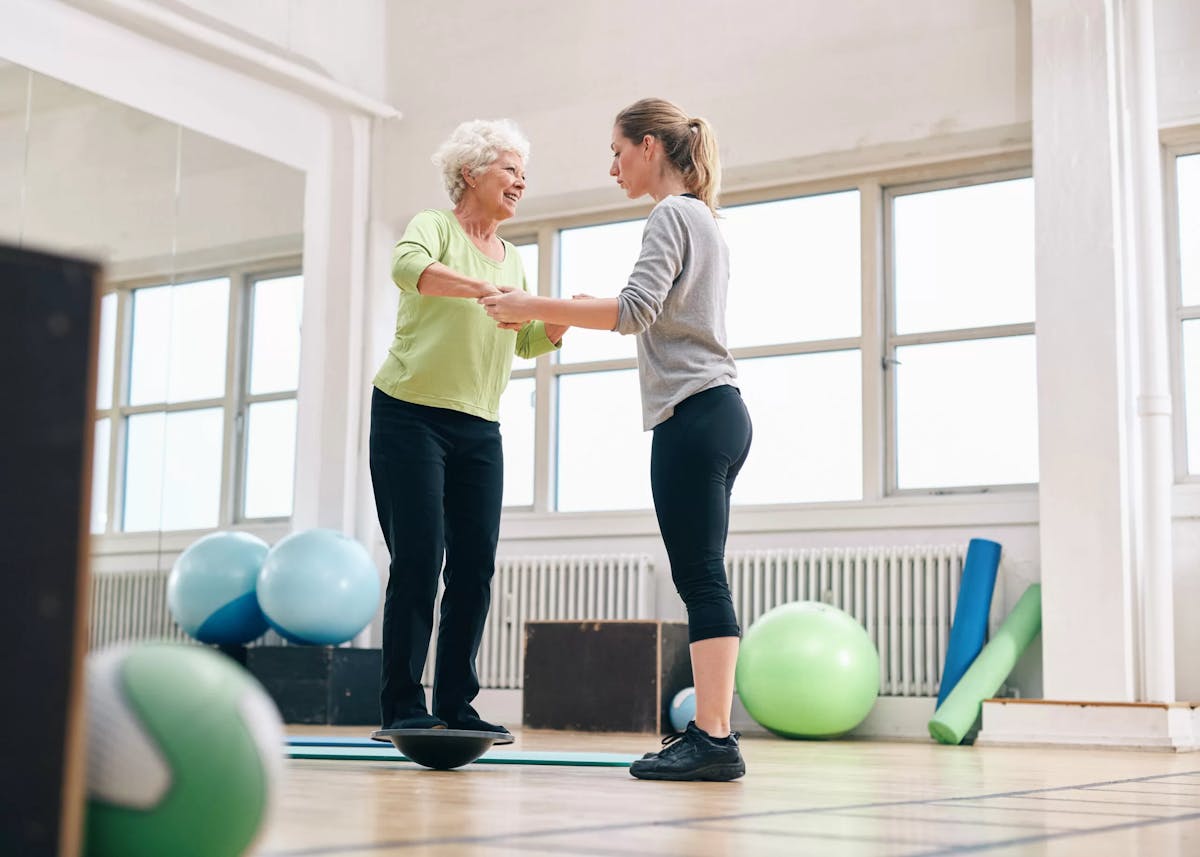
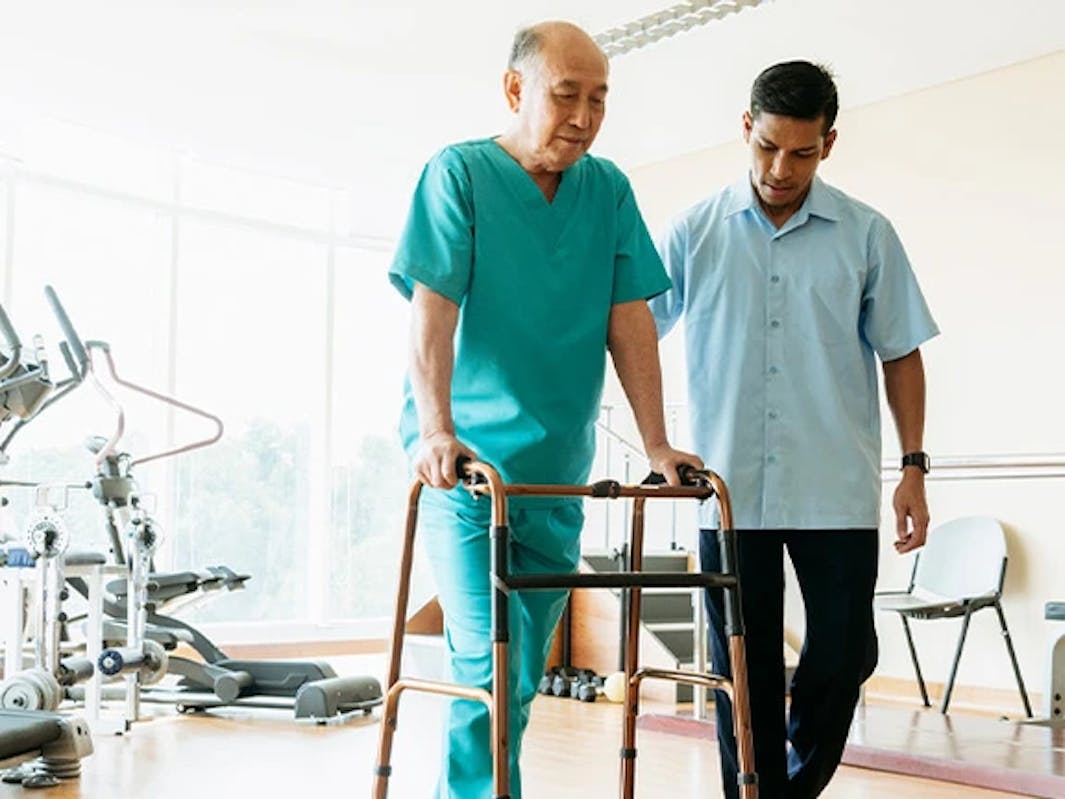
Therapist assisting older adult with balance exercise

Personalized support for every ability

Who This Program Helps Community clinics, in-home care, adult day programs, retirement homes, and long-term care

This program supports older adults with mobility limitations, changes in balance, reduced strength, or lowered confidence with walking and transfers. It is also appropriate for individuals with a history of falls or near-falls.

  • Frequent stumbles, near-falls, or fear of falling
  • Shuffling steps, slow gait, or instability
  • Difficulty rising from a chair or transferring safely
  • Recent illness, hospitalization, or deconditioning
  • Chronic conditions affecting mobility
  • Individuals using canes, walkers, wheelchairs, or other mobility devices
How Our Program Works

Assessment & Goal Setting

Every participant begins with a mobility and balance assessment completed by a physiotherapist or occupational therapist. We identify fall risks, define realistic goals, and establish a clear plan of care.

  • Strength and mobility testing
  • Balance and gait assessment
  • Fall-risk screening
  • Individualized goals and care planning

Therapeutic Exercise & Guided Training

Participants complete guided training to improve functional mobility and safer movement patterns, focused on real-world tasks like transfers, turns, walking, and endurance.

  • Strength training and muscle activation
  • Balance and coordination exercises
  • Safe walking and turning techniques
  • Functional training for daily life
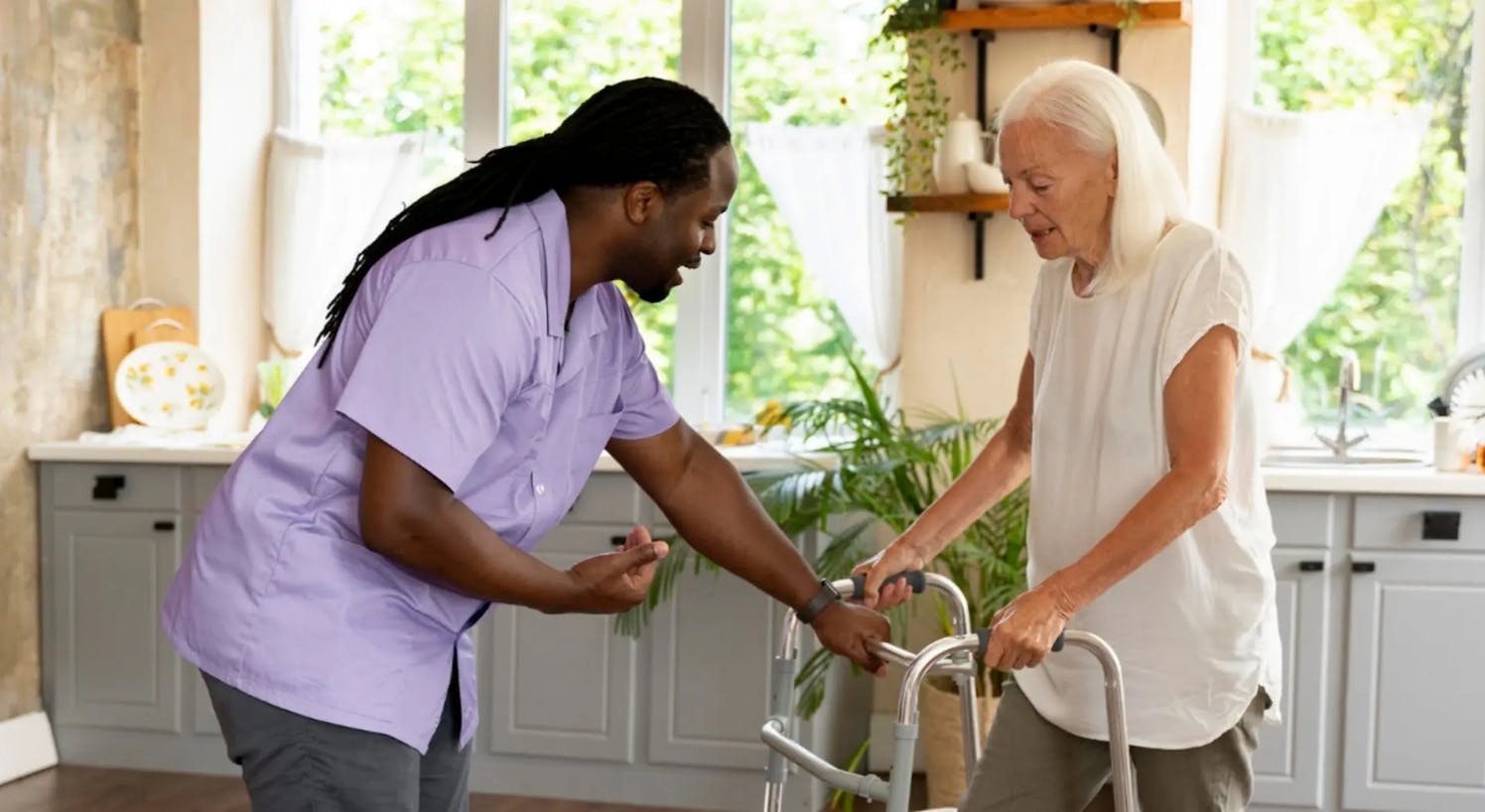
Therapist assisting with mobility exercises

What You'll Learn

Balance Techniques

  • Safe standing and weight shifting
  • How to stabilize during turns
  • Reducing common instability triggers

Safe Walking Habits

  • Confidence-building gait strategies
  • Navigating tight spaces safely
  • Reducing trip and slip risk

Daily Life Strategies

  • Reducing fall risks in the home or unit
  • Energy conservation and pacing
  • Managing dizziness and position changes

Condition-Specific Mobility Strategies

Our team teaches safe movement techniques tailored to common conditions that affect balance and mobility. Strategies are adjusted to ability level and progressed as confidence improves.

Parkinson's Disease

Often characterized by forward posture and a slow, shuffling gait.

  • Encourage a wide base of support
  • Use rhythmic cues to initiate movement
  • Build predictable rest breaks
  • Use pursed-lip breathing to support rhythm

Stroke Recovery

May involve weakness, spasticity, poor balance, and instability.

  • Strengthen and activate the affected side
  • Use appropriate mobility aids when indicated
  • Alternate walking with scheduled rest
  • Progress balance work with rest breaks

Arthritis

Can involve fatigue, reduced range of motion, and decreased strength and endurance.

  • Alternate activity with rest
  • Use mobility aids to support endurance
  • Apply joint protection and pain strategies

Joint Replacement

Often involves reduced range of motion and strength early in recovery.

  • Restore strength, balance, and range of motion
  • Progress weight-bearing safely as tolerated
  • Use mobility aids as required
  • Increase walking distance and endurance

Using Mobility Devices Safely

Mobility Devices and Safe Setup

Proper use of walking aids is essential for safety. Walking supports cardiovascular health, balance, coordination, and fall prevention when the right device is fit correctly and used consistently.

Canes

  • Widen the base of support
  • Held in the opposite hand to the affected leg
  • Cane height should reach the wrist crease with a slight elbow bend

Walkers

  • Offer stability and security
  • Walker height should reach the wrist crease with a slight elbow bend

When Using a Mobility Device

  • Promote good posture, stand tall with eyes forward
  • Encourage slow, controlled walking
  • Stand safely, do not pull up on the walker
  • Monitor wear and tear, brakes, wheels, and handles
  • Keep mobility devices within arm's reach

Practical Habits That Reduce Fall Risk in Daily Life

For Older Adults and Families

  • Wear rubber-sole footwear
  • Wear comfortable clothing that is easy to remove and not dragging
  • Use canes, walkers, and wheelchairs properly
  • Keep mobility devices within arm's reach
  • Change positions slowly to reduce dizziness and orthostatic hypotension
  • Participate in a Falls Prevention Program
  • Ambulate regularly when safe to do so
  • Perform strength and balance exercises
  • Participate actively in their own care

For Care Teams and Support Staff

  • Know the individual's goals, abilities, and limitations
  • Be consistent in care and approach
  • Place items such as call bells within reach
  • Provide positive feedback to increase confidence
  • Support safe transfers and reinforce best practices

Inter-professional approach Education for Staff, Residents, and Families

A successful falls prevention program requires collaboration. ACHIEVA HEALTH supports long-term outcomes through education for staff, residents, and families, reinforcing consistent mobility strategies and safer daily routines.

  • Clear guidance on safe ambulation and transfers
  • Training on mobility device use and set-up
  • Shared strategies that increase confidence and participation
  • Support for caregivers to make day-to-day care safer and more rewarding

Falls Prevention Program Outcomes

Program Goals

  • Reduce falls and fall-related injuries
  • Improve mobility and function
  • Improve confidence and well-being
  • Improve quality of life
  • Make caregiver support safer and more sustainable

Falls Risk Reality

  • More than 50% of long-term care residents fall each year
  • Many residents fall two or more times
  • Falls can lead to injury, hospitalization, and functional decline
  • Hip fractures often result in pain, disability, and reduced independence

Clinical Principles

  • Many falls can be prevented with risk assessment and individualized interventions
  • Restraints can increase fall risk and injury severity
  • Rapid response after a fall can reduce hospitalization risk

A Safer Path Forward Starts Here

ACHIEVA HEALTH's Falls Prevention Program supports safer movement through assessment, exercise, education, and confidence-building strategies that translate into daily life.

Older adult practicing balance exercises with support

FAQ Frequently Asked Questions

Is this program only for long-term care?

Do I need a referral?

Is the program safe for people using walkers or wheelchairs?

Will I learn exercises I can do outside of sessions?

What does success look like?

Is this program only for long-term care?

No. Falls prevention is appropriate in the community, in-home care, retirement settings, and long-term care. The program is tailored to the environment and the individual's mobility level.

Do I need a referral?

You typically do not need a referral, but some insurance plans may require one. Our team can assist you in navigating coverage details.

Is the program safe for people using walkers or wheelchairs?

Yes. The program is designed for a wide range of mobility levels and can be adapted to the individual.

Will I learn exercises I can do outside of sessions?

Yes. When appropriate, we provide exercises and strategies that can be continued between visits to reinforce progress.

What does success look like?

Success is improved safety and confidence with mobility. Depending on the participant, this may include fewer near-falls, better transfers, improved balance, greater walking tolerance, and increased participation in daily routines.

For Long-Term Care & Retirement Homes

Comprehensive Falls Prevention for Your Home

ACHIEVA HEALTH delivers falls prevention programming that supports resident mobility, staff confidence, and consistent best practices across the home.

  • Assessments, screening, and fall-risk identification
  • Therapeutic exercise and mobility programming
  • Education for staff, residents, and families
  • Ongoing clinical collaboration and follow-up

Why Operators Choose ACHIEVA HEALTH

  • Inter-professional, collaborative approach to care
  • Programs that support quality of life and participation
  • Practical strategies that improve day-to-day safety
  • Education that makes caregiving more rewarding

Achieve Movement. Achieve Confidence. EXPERIENCE ACHIEVA HEALTH

Start Your Journey Today
Contact us media
Contact Us