
When you are considering an adult day program for a parent or loved one, a list of services tells only part of the story. You may want to picture how someone settles in, what happens between activities, and whether there is room to rest when needed. This guide explains the kinds of experiences families can ask about at ACHIEVA HEALTH Leaside and offers an illustrative way to picture a program day. Actual activities, timing, and support depend on the current program and the participant’s assessed needs.
Settling In at the Start of the Day
For someone entering an unfamiliar setting, the first few minutes can matter as much as the planned activities. Before the first visit, ask how handover works, who receives participants, and how a family should communicate a poor night’s sleep, a recent mobility change, or another concern. It can also help to explain the day in terms that matter to the participant. A chance to enjoy conversation or join an activity may feel more familiar than a description centred on care needs.
Movement With a Practical Purpose
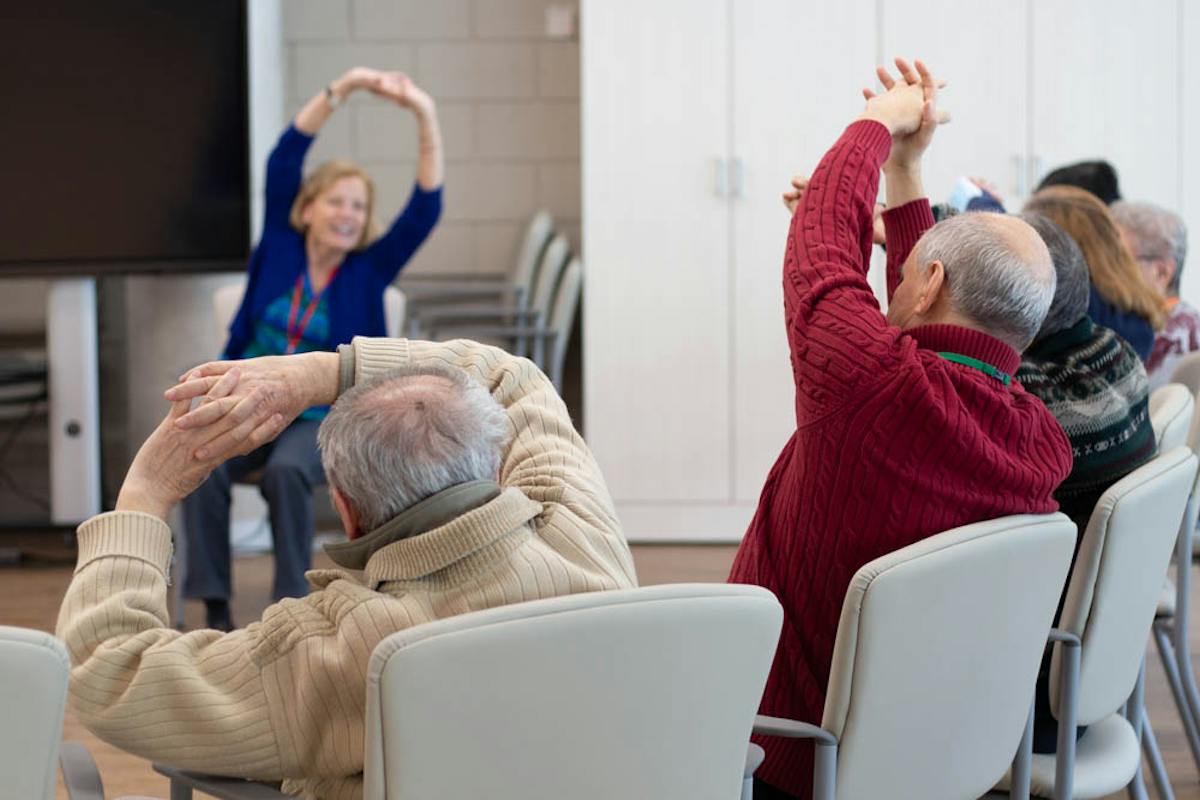
Movement can connect to ordinary tasks such as getting up from a chair, walking between rooms, or moving more comfortably at home. ACHIEVA HEALTH’s published program information includes guided exercise and mobility work, but that does not mean every participant follows the same exercises or receives the same assistance. Ask which activities relate to your loved one’s goals, how participation is adapted, and what the team needs to know before the person joins.
Conversation and Meaningful Activities
A worthwhile activity does not need to be complicated. Familiar music, a shared interest, or a small-group task can provide a reason to engage with the day. Tell the team what the person enjoys as well as what they find difficult. A former gardener may enjoy talking about plants, while someone else may prefer music but dislike competitive games. Ask what choices are available and what happens when someone would rather observe than participate.
Rest, Refreshment, and Personal Comfort
Consider the time between activities. Ask about rest opportunities, washroom assistance, and how food and drink are handled. Do not assume that a café on the premises means meals are included. Discuss dietary restrictions, allergies, and existing swallowing recommendations before attendance so the team can explain what it can accommodate. Glasses, hearing aids, and a familiar mobility device may also affect comfort; ask what should be brought and how belongings are identified.
Ending the Day and Returning Home
Departure works best when collection times, authorized contacts, and transportation arrangements are clear. Agree on who will collect the participant and what the family should do if plans change. Ask how useful observations or concerns are communicated. You may want to know whether someone enjoyed an activity or seemed more tired than usual, but the realistic update process should be agreed with the program rather than assumed.
An Illustrative Sequence, Not a Fixed Timetable
A program day might move from arrival and orientation to a group activity, a movement session, a refreshment or rest break, another activity, and departure. This is an example for discussion, not ACHIEVA HEALTH’s confirmed timetable. Request the current schedule and ask how it changes for different participants. The important question is whether the pace and available support suit your loved one, not whether the timetable looks busy.
Ask How Everyday Goals Are Reflected in Activities
Bring one or two concrete goals to the conversation, such as joining conversations more comfortably or building a routine that includes supported activity outside the home. Ask how the program would approach those goals and how the family would hear about progress or concerns. Participation can be valuable without every activity being an individual treatment session.
Daytime Programming and Separate Rehabilitation Services
An adult day program and an individual physiotherapy appointment are different services. Even when both are available within one organization, ask what program attendance includes and which appointments require separate booking or payment. Clarifying this early helps you understand each service’s role and avoids treating a general activity schedule as a substitute for an individualized rehabilitation plan.
Putting this information into practice
Before contacting the Leaside program, write down a typical day at home: when your parent is most alert, what they enjoy, where they need help, and how they would travel. Use those details to ask about the current program day. You will have a more useful conversation than you would by asking only whether the program is suitable for seniors.
Common questions
Frequently asked questions
Can my parent visit before deciding to attend?
Ask the program about its current visit and introductory arrangements. Do not assume a tour, trial day, or drop-in visit is available without booking.
Does every participant join the same activities?
Ask how the program accommodates different abilities and interests. The activities suitable for one person may differ from those appropriate for another.
Are meals and transportation included?
Confirm both directly with the program. Attendance, meals, and transportation may involve different arrangements or charges.
Can a family member stay during the first visit?
Ask before arrival. The program can explain its current policy and discuss how to support the participant’s introduction to the setting.
Adult Day Program at ACHIEVA HEALTH Leaside
Talk Through What a Program Day Could Look Like
Tell us about your loved one’s interests, daily routine, and support needs. Our team can explain the current program and discuss the next steps for assessing fit.