Understand How You Walk-and What May Be Getting in the Way

Walking is a complex activity that depends on strength, joint mobility, balance, coordination, sensation, vision, endurance, confidence, and the environment around you. A change in any one of these areas can affect the way you move.

At ACHIEVA HEALTH Leaside, a gait assessment looks beyond walking speed alone. We take time to understand your symptoms, health history, falls or near-falls, daily routines, mobility goals, footwear, and use of a cane, walker, or other walking aid.

Your gait assessment is performed by a Registered Physiotherapist with the clinical training to assess movement, interpret findings within your broader health picture, and recommend appropriate next steps.

The goal is to identify meaningful findings and create clear next steps. Depending on your needs, those steps may include physiotherapy, strength and balance training, walking-aid recommendations, footwear guidance, falls-prevention strategies, or referral to another healthcare professional.

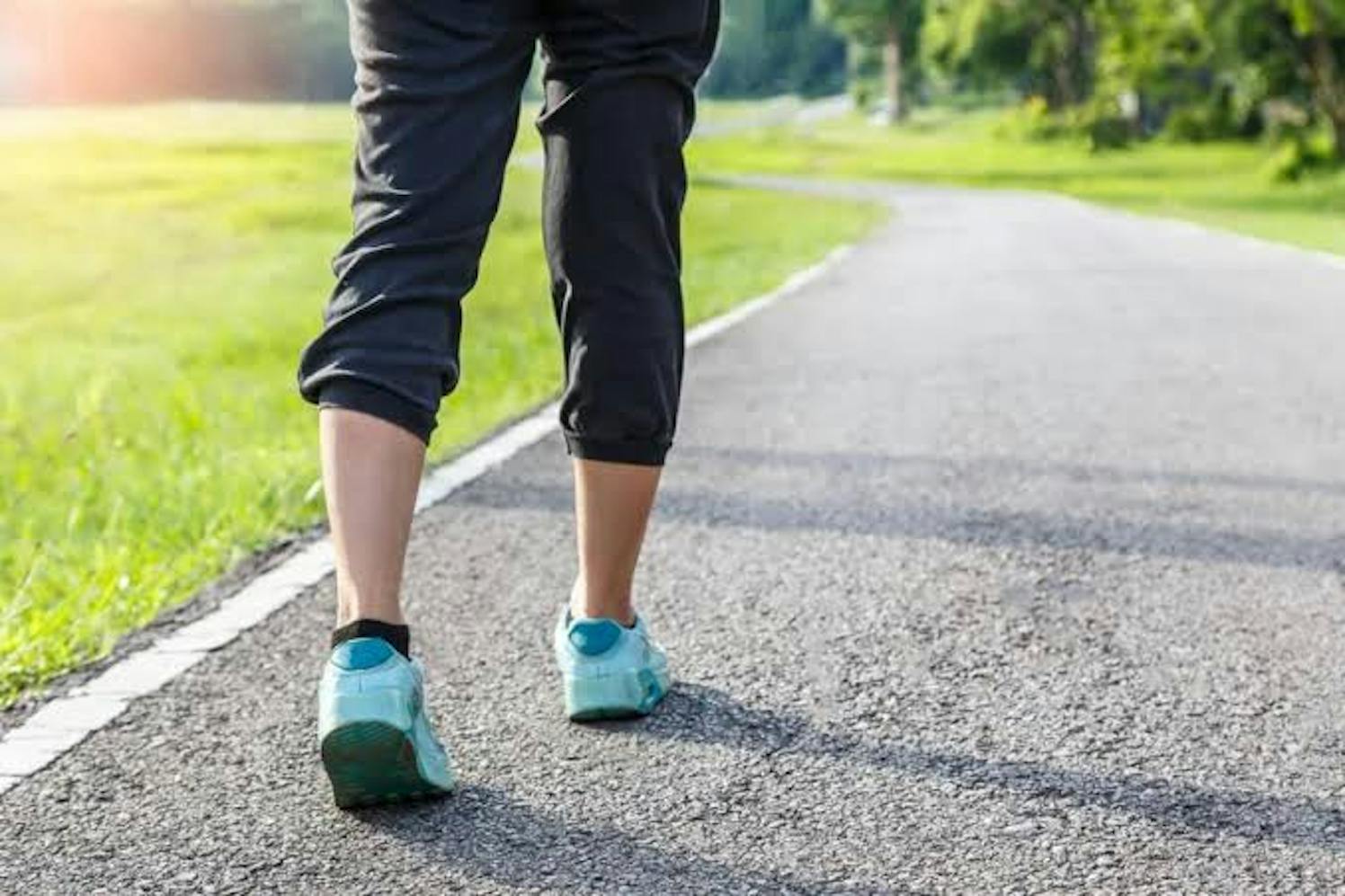
Older adult completing a supervised walking assessment

Clearer answers about walking and mobility

Who May Benefit From a Gait Assessment Available at ACHIEVA HEALTH Leaside

A gait assessment can be helpful when walking has changed, feels less secure, or limits participation in everyday life. You do not need to wait until a fall occurs to ask for an assessment.

  • Feeling unsteady while walking or turning
  • A recent fall or repeated near-falls
  • Slower walking or difficulty keeping up
  • Short, shuffling, uneven, or hesitant steps
  • Pain while walking
  • Difficulty starting, stopping, or changing direction
  • Reduced confidence outdoors, on stairs, or in crowds
  • Returning to walking after surgery, illness, or hospitalization
  • Questions about using a cane or walker
  • A neurological, musculoskeletal, or age-related mobility change
What We Look At

Your Walking Pattern

Your physiotherapist observes how you walk at an appropriate pace and considers the movement of your feet, legs, trunk, and arms. The exact assessment is selected for your abilities and reason for attending.

  • Walking speed and rhythm
  • Step and stride characteristics
  • Foot clearance and placement
  • Symmetry between sides
  • Posture and trunk movement
  • Starting, stopping, and turning
  • Response to different walking demands

Factors That Influence Walking

Gait findings are interpreted alongside other factors rather than in isolation. This helps connect what we observe with the underlying movement demands and your daily experience.

  • Leg and core strength
  • Joint mobility and pain
  • Standing and dynamic balance
  • Coordination and sensation
  • Endurance and activity tolerance
  • Footwear and walking aids
  • Fear of falling and movement confidence

Components of a Comprehensive Assessment

Clinical History

We begin by understanding when the change started, how it affects daily life, and what you want to be able to do more safely or confidently.

  • Falls and near-falls
  • Pain, dizziness, or fatigue
  • Medical and surgical history
  • Current mobility challenges

Movement Testing

Appropriate clinical measures provide objective information that can be compared over time. Not every test is required for every person.

  • Observed walking
  • Functional mobility
  • Strength and transfers
  • Balance tasks

Practical Recommendations

Your results are translated into a plan connected to your home, community, work, recreation, and personal mobility goals.

  • Individual exercise priorities
  • Walking and pacing strategies
  • Aid or footwear considerations
  • Follow-up and reassessment

More Than Watching You Walk

A useful gait assessment combines careful observation with your health history, physical examination, and standardized measures selected by your physiotherapist. Measures may include walking speed or functional mobility activities such as standing from a chair, walking, turning, and sitting down.

The same walking pattern can have different contributors in different people. Shorter steps, for example, may be related to pain, weakness, reduced balance confidence, joint stiffness, sensation changes, or another health concern. Assessment findings must therefore be interpreted within the full clinical picture.

If findings suggest that vision, medication effects, cardiovascular symptoms, neurological changes, or another issue needs attention, your physiotherapist may recommend follow-up with the appropriate regulated healthcare professional.

Everyday Mobility Goals

  • Walking around your home
  • Using stairs more confidently
  • Reaching local shops and appointments
  • Managing curbs and uneven ground
  • Walking in busy environments
  • Returning to recreational activity

Clinical Mobility Goals

  • Establishing a functional baseline
  • Identifying modifiable limitations
  • Selecting an appropriate walking aid
  • Monitoring recovery or decline
  • Informing falls-prevention planning
  • Guiding an individualized exercise plan

Gait Assessment and Falls Prevention

Walking difficulty can be one part of a broader fall-risk picture. A comprehensive approach also considers balance, strength, previous falls, medications, vision, footwear, blood-pressure changes, cognition, and hazards in the home or community.

  • Identify changes before a serious fall
  • Understand situations that feel less stable
  • Review turning, transfers, and walking-aid use
  • Establish measures that can be reassessed

No single walking or balance test can predict every fall. Assessment results are used together with your history and clinical findings to guide individualized recommendations and determine whether additional evaluation is appropriate.

  • Develop targeted strength and balance priorities
  • Practise relevant walking challenges safely
  • Address confidence and fear of falling
  • Connect with broader falls-prevention services
ACHIEVA HEALTH logo

What to Expect at Your Gait Assessment

Before and During the Assessment

Wear comfortable clothing and the footwear you use most often. Bring your usual cane, walker, orthotic, or brace, along with relevant medical information and a current medication list.

  • Discussion of your concerns and goals
  • Review of falls, symptoms, and health history
  • Observation of walking and functional movement
  • Selected strength, mobility, and balance measures

Your Results and Next Steps

Your physiotherapist will explain the important findings in clear language and connect them to the activities that matter to you. Recommendations depend on what the assessment shows.

  • A summary of relevant findings
  • Individualized recommendations
  • A treatment or exercise plan when appropriate
  • Advice about walking aids or footwear
  • Referral or follow-up recommendations if needed
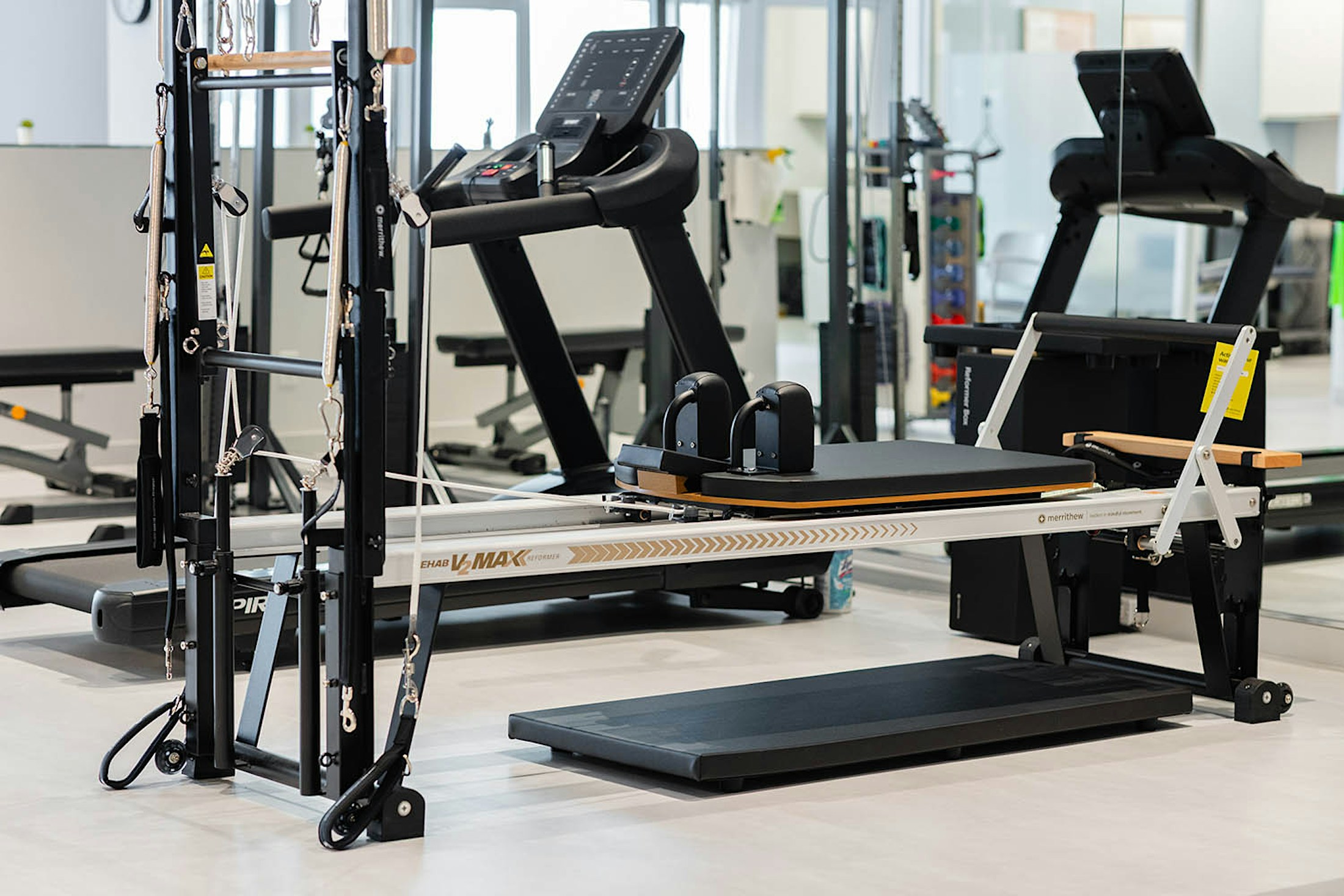
Rehabilitation space at ACHIEVA HEALTH Leaside

Possible Next Steps After Assessment

Physiotherapy

Treatment may focus on strength, mobility, pain, balance, coordination, functional tasks, and graded walking practice.

Falls Prevention

A broader plan may address balance, home and community risks, confidence, walking aids, and other modifiable fall-risk factors.

Ongoing Exercise

When appropriate, restorative programming or personal training may help continue building strength, endurance, and confidence.

FAQ Gait Assessment FAQs

What is a gait assessment?

Who performs the gait assessment?

Do I need to have fallen to book an assessment?

Should I bring my cane or walker?

What should I wear?

How long does a gait assessment take?

Can a gait assessment tell me which walking aid I need?

Is gait assessment only for older adults?

Where are gait assessments offered?

When should a walking change receive urgent medical attention?

What is a gait assessment?

A gait assessment is an individualized evaluation of walking and the factors that may influence it. It can include clinical history, observation of your walking pattern, and selected measures of mobility, strength, joint movement, balance, coordination, endurance, footwear, or walking-aid use.

Who performs the gait assessment?

Gait assessments at ACHIEVA HEALTH Leaside are performed by a Registered Physiotherapist. Your physiotherapist selects the appropriate assessment components based on your health history, walking concerns, abilities, and goals.

Do I need to have fallen to book an assessment?

No. An assessment may be useful if you have noticed slower, uneven, hesitant, painful, or less confident walking-even if you have not fallen. Near-falls and avoiding activities because of balance concerns are also important reasons to seek advice.

Should I bring my cane or walker?

Yes. Bring the walking aid you normally use, as well as any orthotic or brace related to walking. Your physiotherapist may review its fit, condition, and use. Do not stop using a prescribed aid for the assessment unless your physiotherapist instructs you to do so.

What should I wear?

Wear comfortable clothing that allows you to move and your usual walking shoes. If different footwear seems to change your walking, you may wish to bring both pairs for discussion.

How long does a gait assessment take?

Appointment length depends on the complexity of your concerns and the measures required. Contact the Leaside clinic for current appointment options and allow time to discuss your history, complete the assessment safely, and review initial recommendations.

Can a gait assessment tell me which walking aid I need?

The assessment can help determine whether a cane, walker, or another strategy may improve safety or efficiency. Recommendations must consider your strength, balance, cognition, environment, goals, and ability to use the device correctly.

Is gait assessment only for older adults?

No. Adults may experience gait changes after injury, surgery, neurological illness, pain, prolonged inactivity, or other health changes. The assessment is adapted to the individual rather than age alone.

Where are gait assessments offered?

Gait assessments are available at ACHIEVA HEALTH Leaside in Toronto. Contact our team to confirm suitability, current availability, fees, and whether any referral or insurance documentation applies.

When should a walking change receive urgent medical attention?

Seek urgent medical care for a sudden inability to walk or a sudden balance change accompanied by facial droop, speech difficulty, one-sided weakness, severe headache, chest pain, fainting, or other acute symptoms. A routine gait assessment is not a substitute for emergency care.

What makes the ACHIEVA HEALTH Leaside location unique?

Integrative Healing Nutrition That Supports Recovery

At the ACHIEVA HEALTH Leaside location, care extends beyond the treatment room. Our on-site ACHIEVA HEALTH Café offers anti-inflammatory, nutrient-rich meals designed to complement physiotherapy and occupational therapy, supporting recovery, energy, and overall wellness.

Learn More About ACHIEVA HEALTH Café

On-Site ACHIEVA HEALTH Café

ACHIEVA HEALTH Leaside on-site café

Clinical-Level Care A Purpose-Built Adult Day Program

Located within the ACHIEVA HEALTH Leaside facility, our 4,000 sq ft Adult Day Program is designed for individuals who benefit from structured, clinically guided care. The program is run by regulated health professionals and focuses on mobility, cognitive engagement, social connection, and falls prevention in a medically supervised environment.

Learn More About the Adult Day Program

4,000 sq ft Clinical Adult Day Program

ACHIEVA HEALTH Leaside adult day program

Truly Holistic Health An 8,000 sq ft Space Designed for Leaside

The ACHIEVA HEALTH Leaside location brings rehabilitation, movement, wellness, and healthy nutrition together under one roof. With an open-concept therapy floor, dedicated recovery zones, and thoughtfully designed lifestyle spaces, the environment supports long-term health, mobility, and independence.

Learn More About ACHIEVA HEALTH

8,000 sq ft Integrated Wellness Centre

ACHIEVA HEALTH Leaside integrated wellness centre

Achieve Movement. Achieve Confidence. EXPERIENCE ACHIEVA HEALTH

Start Your Journey Today
Contact us media
Contact Us