
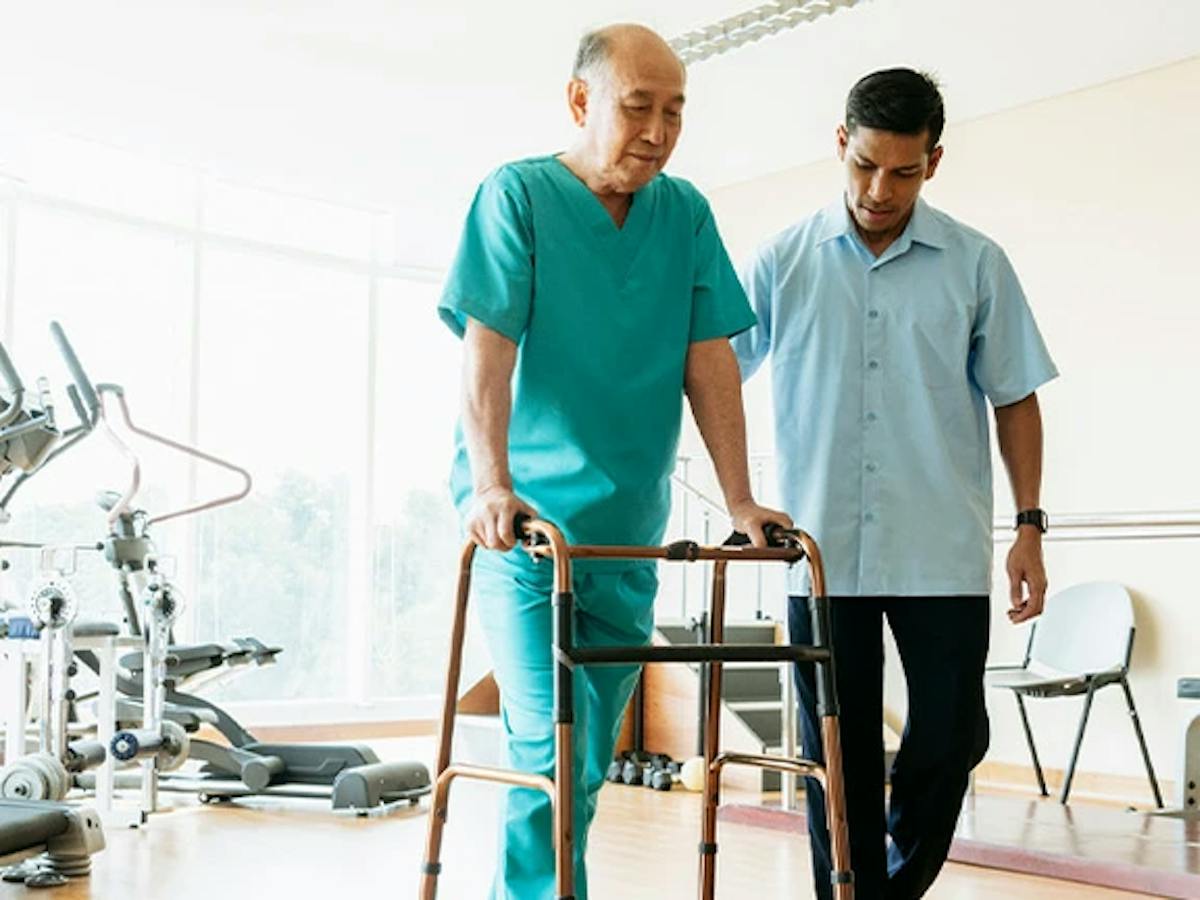
Falls rarely have one cause. In Toronto homes, stairs, older flooring, limited lighting, winter entrances, medications, vision, strength, and balance can interact. This room-by-room checklist is a practical starting point, not a substitute for an individual assessment.
Check Entrances, Hallways, and Stairs
Keep routes clear, repair loose flooring, secure rugs, and make sure stairs have sturdy handrails and clearly visible edges. Place frequently used items within easy reach. Outdoor entrances need reliable lighting and a plan for snow and ice.
Make the Bathroom Safer
Consider grab bars installed into appropriate supports, a non-slip bathing surface, and a stable shower seat when needed. A towel rack is not designed to bear body weight. Keep the route to the bathroom lit at night and discuss urgency or dizziness with a health professional.
Review Bedrooms and Living Areas
Arrange furniture to create wide walking paths and manage electrical cords. The bed and favourite chairs should allow the person to stand without excessive effort. Keep a phone or alert device accessible rather than across the room.
Check the Kitchen and Everyday Footwear
Store daily items between waist and shoulder height to reduce climbing and deep bending. Wear secure, well-fitting footwear; loose slippers and socks on smooth floors can increase risk. Clean spills promptly and avoid unstable step stools.
Review Health Factors That Can Affect Fall Risk
Ask a pharmacist or prescriber to review medications if there is dizziness, sleepiness, or a recent fall. Regular vision checks, appropriate hydration, strength and balance activity, and assessment of walking aids can all matter. After a fall or near-fall, report what happened rather than dismissing it.
Assess the Home During Real Daily Routines
Inspect the home during the routines that create difficulty, including nighttime bathroom trips, bathing, meal preparation, and entering with groceries. A bright daytime inspection may miss glare, shadows, pets, clutter, or rushed movements. Ask the resident what feels unsafe; people often adapt quietly by holding furniture or avoiding an area.
Which Safety Changes Should Come First?
Begin with hazards that combine high likelihood and serious consequences: unsafe stairs, absent bathroom supports, poor lighting, and frequently used routes. Cheap changes such as moving cords or improving lamp access can happen immediately. Structural modifications should be installed correctly and, when needs are complex, may benefit from occupational therapy or another qualified home assessment.
Create a Plan Before a Fall Happens
Keep a phone or alert device accessible and discuss how to summon help. A person should not be coached to get up in one fixed way regardless of injury. After a fall, check for pain, head impact, bleeding, new weakness, confusion, or inability to bear weight and seek appropriate medical help. Report falls to the healthcare team so underlying contributors can be reviewed.
Putting this information into practice
Walk through the home during the routines that are actually difficult, including nighttime bathroom trips and entering with wet winter footwear. Record falls and near-falls with the time, location, symptoms, and activity involved. That pattern can help a Toronto healthcare professional identify which environmental and health factors deserve attention first.
Common questions
Frequently asked questions
Which home hazards should be corrected first?
Prioritize frequently used areas where a fall could have serious consequences, especially stairs, bathrooms, entrances, and poorly lit nighttime routes.
Are grab bars and shower seats enough to prevent falls?
They may reduce specific bathroom risks, but fall prevention should also consider strength, balance, medications, vision, footwear, urgency, and walking-aid use.
What should happen after a fall at home?
Check for pain, head impact, bleeding, confusion, new weakness, or inability to bear weight and seek appropriate medical care. Report the fall so contributing factors can be reviewed.
Finding the right support
General information cannot replace an individual assessment. ACHIEVA HEALTH can help you explore services and programs that may fit your goals, needs, and location.