
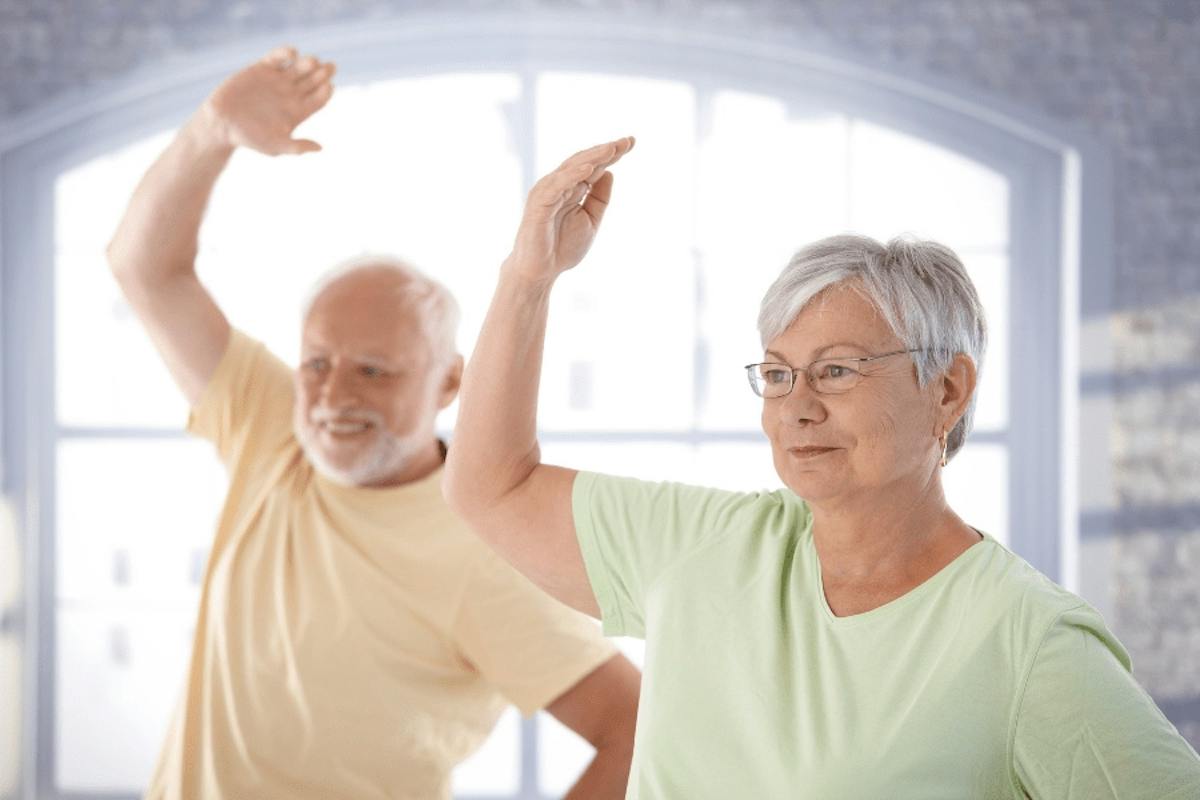
Feeling unsteady is not an inevitable part of aging. For older adults in Toronto, balance difficulties may become especially noticeable on stairs, crowded sidewalks, transit, uneven ground, or icy surfaces. Identifying the pattern is more useful than assuming there is one universal cause.
What Can Contribute to Balance Problems?
Reduced leg strength, joint pain, changes in sensation, vision problems, vestibular conditions, medication effects, dehydration, and neurological or cardiovascular conditions can all affect steadiness. Environmental demands such as poor lighting or uneven ground may expose a difficulty that is less obvious indoors.
What Pattern Do Your Symptoms Follow?
Record when unsteadiness occurs: after standing, while turning, in busy environments, in darkness, or during fatigue. Note dizziness, hearing changes, numbness, weakness, new medications, recent illness, and any falls or near-falls. This information helps a clinician decide what to assess.
When Should You Seek Urgent Care?
Sudden balance loss with facial droop, speech trouble, one-sided weakness, severe headache, chest pain, fainting, or a new inability to walk requires urgent medical attention. New symptoms after a significant head injury also need prompt assessment.
What Might a Balance Assessment Include?
Depending on the concern, a physiotherapist may examine walking, transfers, leg strength, joint movement, sensation, balance tasks, blood-pressure responses, and use of mobility aids. Referral to a physician, pharmacist, optometrist, audiologist, or other professional may be appropriate.
Treatment Should Address the Contributing Factors
Strength and balance exercises can be valuable, but the right program depends on the person and diagnosis. Home safety changes, medication review, vision care, footwear, or an appropriately fitted aid may be equally important parts of the plan.
How Does the Sensation Help Guide Assessment?
Unsteadiness, spinning, light-headedness, leg weakness, and fear of falling are not interchangeable. Spinning triggered by head movement may prompt different assessment from faintness after standing or drifting while walking. Use the person’s own words and note duration, triggers, associated symptoms, and recovery. Avoid assuming every balance complaint comes from the inner ear.
Why Can Avoiding Activity Make Balance Worse?
After a scare, people may walk less, stop leaving home, or rely increasingly on furniture. This can reduce strength and confidence, creating a cycle of further avoidance. The answer is not to ignore risk or push through dangerous tasks. A graded plan can provide appropriate challenge in a controlled setting while other medical and environmental factors are addressed.
How Should Progress Be Measured?
Success may include fewer near-falls, smoother turns, improved standing tolerance, safer use of an aid, or renewed participation outside the home. Symptoms can fluctuate, so one good or bad day is not the whole picture. Reassessment helps determine whether the program is challenging enough and whether new symptoms require referral.
Putting this information into practice
Describe the sensation precisely and note whether it appears while standing, turning, walking outdoors, using stairs, or moving through busy Toronto environments. Bring a medication list and details of falls or near-falls to the assessment. The right starting point may be primary care, physiotherapy, pharmacy, vision care, vestibular assessment, or urgent medical care, depending on the symptoms.
Common questions
Frequently asked questions
Are balance problems simply part of getting older?
No. Age can change risk, but new or worsening unsteadiness deserves attention because medical, physical, sensory, medication, and environmental factors may be involved.
Can avoiding walking improve safety?
Temporary caution may be appropriate, but prolonged avoidance can reduce strength and confidence. Assessment can help identify a safer, graded way to remain active.
When is sudden balance loss an emergency?
Seek urgent care when it occurs with facial droop, speech difficulty, one-sided weakness, severe headache, fainting, chest pain, major trauma, or a new inability to walk.
Finding the right support
General information cannot replace an individual assessment. ACHIEVA HEALTH can help you explore services and programs that may fit your goals, needs, and location.