
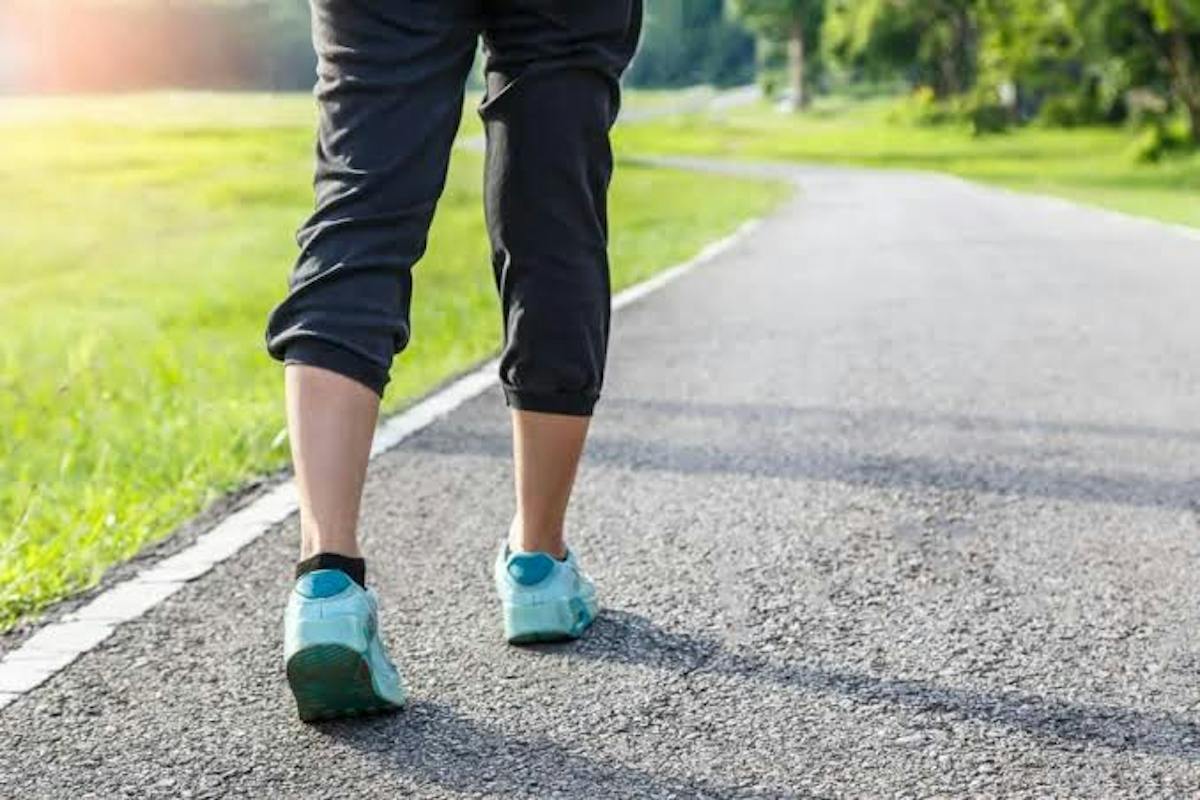
Changes in walking can develop gradually. A shorter step, slower pace, wider stance, or growing reluctance to walk outdoors may appear minor at first, but each can provide useful information about mobility, health, and fall risk.
What is a gait assessment?
A gait assessment is an individualized evaluation of how you walk and the factors that may influence your walking. It commonly combines a conversation about your health and mobility with observation of walking and selected measures of strength, joint movement, balance, transfers, endurance, sensation, footwear, or walking-aid use. It is not simply a video of your feet or a single pass down a hallway.
Which Walking Changes Deserve Attention?
Consider an assessment when walking becomes slower, painful, uneven, shuffling, hesitant, or more tiring. Other signs include difficulty starting or stopping, catching a toe, taking several small steps to turn, relying on furniture, avoiding stairs, or feeling less secure on uneven ground. A fall is not required; repeated near-falls and loss of confidence are meaningful changes too.
Why Can Your Gait Change?
Walking depends on several systems working together. Pain, muscle weakness, reduced joint mobility, balance or sensation changes, decreased endurance, vision, neurological conditions, medication effects, fear of falling, and poorly fitted footwear or walking aids can all contribute. Because similar walking patterns can have different causes, assessment findings must be interpreted within the person’s full clinical picture.
What happens during the appointment?
At ACHIEVA HEALTH Leaside, the gait assessment is performed by a Registered Physiotherapist. Your physiotherapist begins by asking when the change started, what situations are difficult, whether falls or dizziness have occurred, and which activities matter to you. You may then be asked to walk at a comfortable pace and complete appropriate functional tasks. Standardized measures such as gait speed or a timed mobility activity may be used when clinically relevant and safe.
What can the results tell you?
An assessment can establish a baseline, identify modifiable limitations, and guide practical next steps. Recommendations might include physiotherapy, targeted strength and balance exercises, graded walking practice, falls-prevention strategies, pacing, footwear guidance, or review of a cane or walker. Findings may also indicate that another regulated health professional should be involved.
How Are Gait, Balance, and Fall Risk Connected?
Gait and balance overlap, but they are not identical. A person may stand steadily yet struggle when turning, changing speed, stepping over an obstacle, or dividing attention while walking. Conversely, someone may walk reasonably in a quiet hallway but become unstable in crowds or poor lighting. Fall risk also involves medications, vision, blood-pressure changes, cognition, footwear, environmental hazards, and previous falls, so no single walking test provides the whole answer.
How Should You Prepare for a Gait Assessment?
Wear comfortable clothing and the shoes you use most often. Bring your cane, walker, orthotic, or brace, a medication list, and relevant reports if available. Before the visit, write down recent falls and near-falls, the environments that feel difficult, how far you can comfortably walk, and two or three activities you want to regain. A family member may contribute useful observations when you want them involved.
When Does a Walking Change Require Urgent Care?
A gradual gait change can usually begin with a scheduled clinical assessment, but sudden changes are different. Seek urgent medical attention for a sudden inability to walk or new balance loss accompanied by facial droop, speech difficulty, one-sided weakness, severe headache, chest pain, fainting, major trauma, or another acute symptom. A routine gait appointment is not a substitute for emergency assessment.
Putting this information into practice
A useful plan connects clinical findings to everyday walking. That may mean navigating the home at night, reaching neighbourhood shops, crossing a road, managing winter surfaces, using stairs, or returning to activity after illness. Keep track of where and when difficulty occurs, what symptoms accompany it, and whether a walking aid or support person changes the experience.
Common questions
Frequently asked questions
Do I need to have fallen before booking a gait assessment?
No. Slower or less confident walking, repeated near-falls, pain, shuffling, difficulty turning, or avoidance of normal activities can all justify assessment before a fall occurs.
Should I use my walking aid during the assessment?
Bring and use your normal aid unless the clinician directs otherwise. Seeing how it fits and how you use it is valuable. Do not stop using a prescribed aid simply to demonstrate how you walk without it.
Is gait assessment only for older adults?
No. Walking may change after injury, surgery, neurological illness, pain, hospitalization, prolonged inactivity, or other health events at different ages. The assessment is adapted to the individual.
ACHIEVA HEALTH Leaside
Get Clearer Answers About Your Walking
Have you noticed slower walking, shorter or uneven steps, difficulty turning, or less confidence outdoors? At ACHIEVA HEALTH Leaside, gait assessments are performed by a Registered Physiotherapist who can identify factors affecting your walking and provide practical recommendations based on your mobility, health, and everyday goals.
Bring the footwear you use most often and any cane, walker, brace, or orthotic you currently use.