
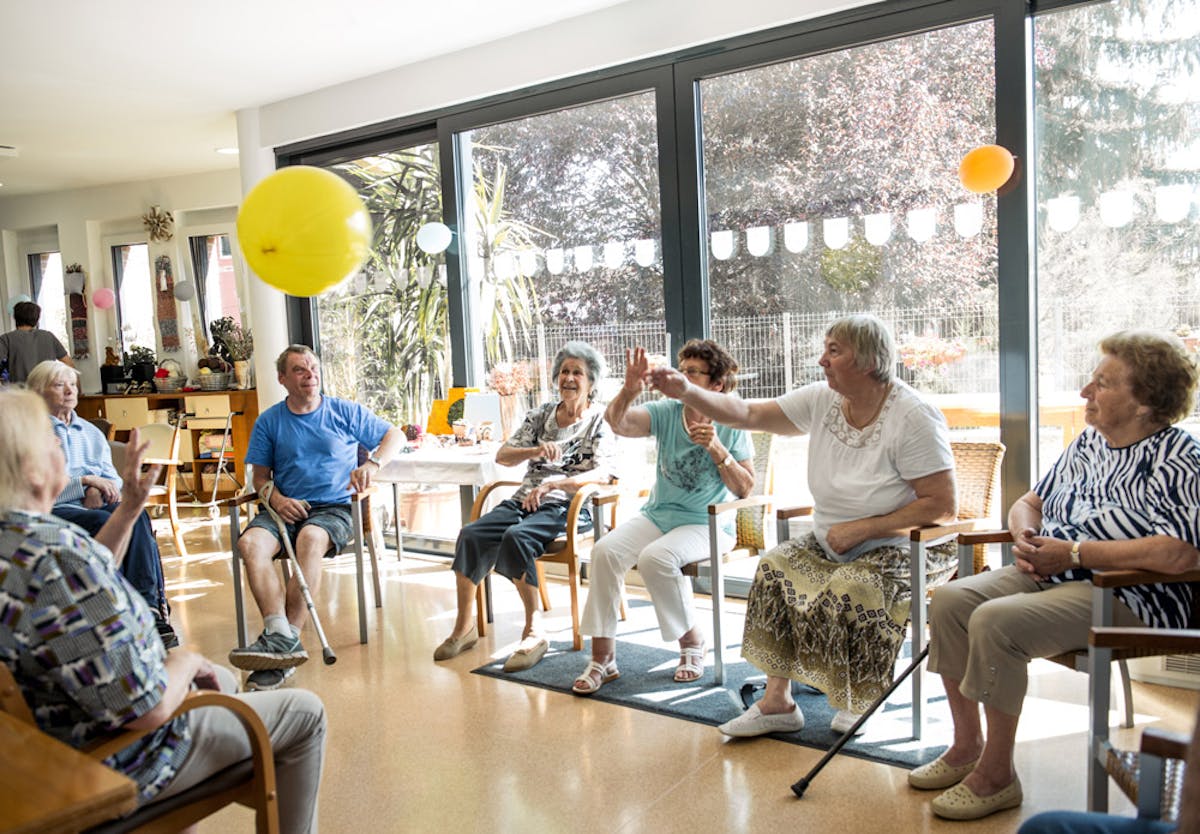
For older adults in Toronto, independence often depends on practical abilities such as rising from a chair, managing stairs, carrying groceries, walking outdoors, and regaining confidence after illness or a fall. Physiotherapy can assess those tasks and build a plan around the activities that matter most.
Start With Goals That Matter in Daily Life
An assessment can identify which physical factors are limiting a person’s activities. Goals should be personal and measurable—for example, reaching the bathroom safely at night, walking to an appointment, or standing long enough to prepare a meal.
Build Strength for Real-World Tasks
Progressive resistance exercise can support muscle strength and function when it is matched to the individual. Practice may include sit-to-stand movements, step work, lifting and carrying, or exercises for the hips, legs, and trunk. The appropriate starting point varies widely.
Improve Balance and Walking Confidence
Balance work can include changes in foot position, reaching, turning, walking tasks, and safe reactions to loss of balance. A physiotherapist may also assess footwear or walking aids and coordinate with other professionals when vision, medication, or home hazards contribute to risk.
Rebuild Capacity After Illness or Inactivity
Hospital stays and periods of reduced activity can lead to rapid loss of endurance and confidence. A gradual plan helps rebuild capacity without demanding too much too soon. Monitoring symptoms and recovery between sessions is part of safe progression.
Make the Plan Sustainable
The best program is one a person can continue. Clear instructions, a manageable number of exercises, family involvement when welcome, and regular reassessment can turn clinical recommendations into habits that support life at home.
Measure the Abilities That Matter at Home
Clinical measures become meaningful when connected to daily life. The time needed to stand from a chair may relate to toilet transfers; walking speed may affect road crossing; leg endurance may determine whether someone can shop independently. A plan can combine standardized measures with goals identified by the older adult rather than assuming every person wants the same outcome.
Consider the Environment and Support Network
Ability depends partly on surroundings. Stairs, heavy doors, low seating, winter conditions, and the distance to essential services can change what a task demands. With consent, family or caregivers can learn how to encourage activity without taking over. Occupational therapy or other services may help when equipment, home setup, cognition, or personal-care routines are major factors.
Plan How You Will Maintain Your Progress
Discharge should not mean stopping all activity. Ask which exercises or community activities maintain the gains, what signs suggest a decline, and how to restart after illness or travel. A sustainable plan may use household tasks, walking routes, group programs, or basic equipment. The objective is continued participation, not permanent dependence on appointments.
Putting this information into practice
A useful physiotherapy plan should transfer into daily life in Toronto: apartment or house stairs, public spaces, neighbourhood errands, winter conditions, and the distances a person needs to walk. Track changes in function as well as symptoms, and revisit the plan after illness, a fall, or a noticeable decline in activity.
Common questions
Frequently asked questions
What can physiotherapy help an older adult do?
Goals may include safer transfers, stronger stair climbing, better balance, more comfortable walking, recovery after hospitalization, or greater confidence with daily activities.
Is physiotherapy appropriate after a period of inactivity?
It can be. An assessment can establish a safe starting point and a gradual progression based on current health, symptoms, and endurance.
Should a caregiver attend physiotherapy appointments?
A caregiver can attend with the older adult’s consent when their observations or help with the home plan would be useful. The older adult’s goals and choices should remain central.
Finding the right support
General information cannot replace an individual assessment. ACHIEVA HEALTH can help you explore services and programs that may fit your goals, needs, and location.