
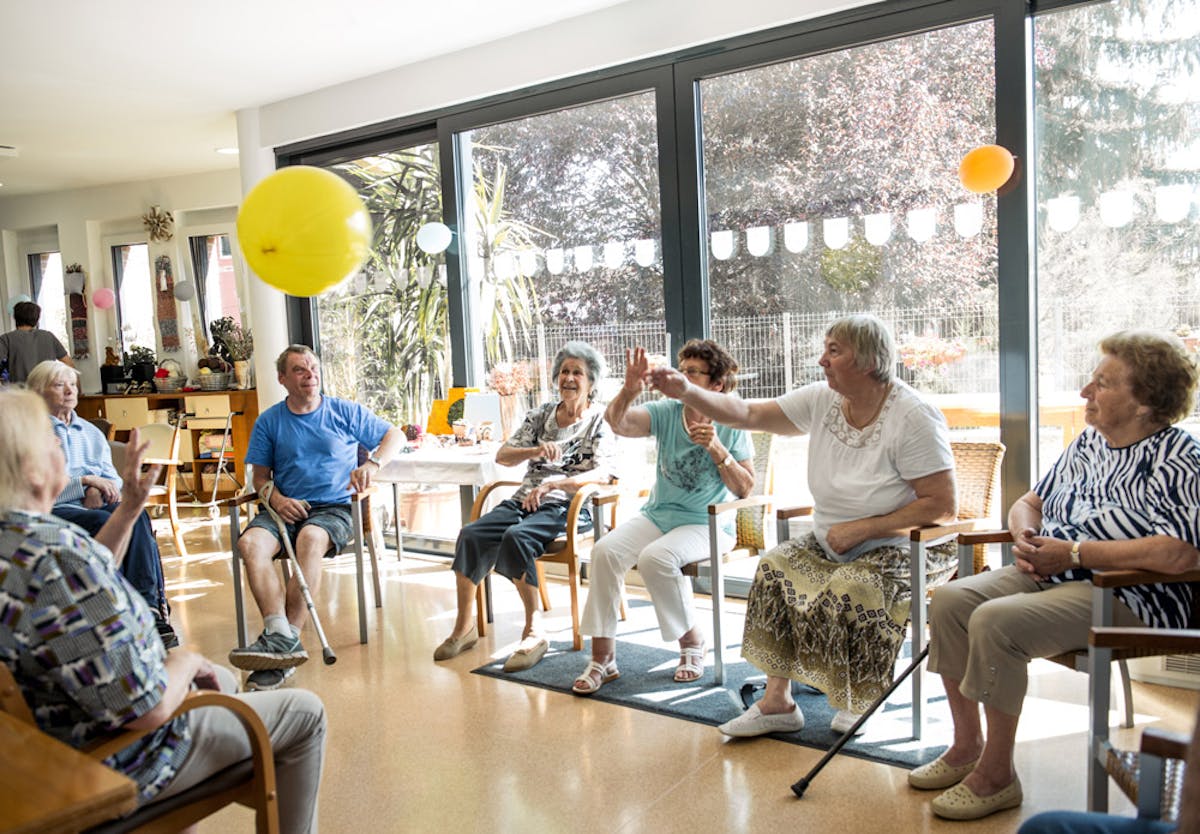
A well-matched Toronto adult day program can provide structure, meaningful activity, and social connection for a person living with dementia while giving family caregivers dependable time for work, rest, or other responsibilities.
Why Can a Consistent Routine Help?
A predictable day can reduce the effort of navigating constant changes. Familiar arrival routines, meals, movement, music, conversation, and rest provide cues while still allowing choice. Programs should adapt expectations to the person rather than correcting or testing them.
What Does Meaningful Engagement Look Like?
Activities are most useful when connected to lifelong interests and current abilities. Folding, gardening, singing, gentle exercise, art, food preparation, or conversation may create purpose. Success is participation and comfort, not completing a task perfectly.
How Are Safety and Individual Needs Addressed?
Families should discuss wandering risk, mobility, communication, eating and swallowing concerns, toileting, distress triggers, medications, and personal care before enrolment. No program suits every stage or presentation of dementia.
How Can Families Support the Transition?
Share a concise life story, preferred name, routines, interests, cultural practices, and calming strategies. A gradual introduction may help. Avoid presenting attendance as a punishment or arguing about memory; focus on what the day offers now.
What Should You Ask a Program Provider?
Ask how staff are prepared to support dementia-related needs, how the environment is supervised, how distress and personal care are handled, how families receive updates, and what changes could affect eligibility. The provider should be candid about its capabilities and limits.
Match the Program Environment to the Person
Consider noise, group size, visual stimulation, outdoor access, and opportunities for quiet. Someone who enjoyed large social events may thrive in an active room, while another person may become overwhelmed. Ask how staff recognize overstimulation and whether participants can move between activities or rest without being isolated.
Communicate Without Turning Memory Into a Test
Questions that repeatedly expose memory loss can cause frustration. Staff can offer simple choices, demonstrate activities, use familiar cues, and focus on emotion and meaning. Families should share preferred words, languages, music, work history, and routines. These details give staff more ways to connect when direct verbal explanation is difficult.
Which Changes Should Prompt Reassessment?
New agitation, sleepiness, withdrawal, falls, appetite change, or reduced participation may reflect pain, infection, medication effects, progression, or another health issue. Do not assume every change is “just dementia.” Share observations across the family, program, and healthcare team so that potentially treatable contributors are considered.
Putting this information into practice
When comparing dementia-friendly programs in Toronto, describe the person rather than only the diagnosis. Share routines, communication style, interests, mobility, personal-care needs, distress triggers, and what helps them feel secure. Agree on how the program will report changes and when suitability will be reassessed.
Common questions
Frequently asked questions
Do all Toronto adult day programs support dementia?
No. Program focus, staffing, environment, eligibility, and the level of cognitive or personal-care support vary. Families should discuss current needs directly with each provider.
What can make the transition easier?
A familiar routine, gradual introduction, preferred activities, concise personal history, and consistent language between family and staff can all help.
What changes should be reported to the program?
Report new falls, illness, medication changes, altered sleep or appetite, increased distress, wandering risk, or changes in mobility and personal care.
Finding the right support
General information cannot replace an individual assessment. ACHIEVA HEALTH can help you explore services and programs that may fit your goals, needs, and location.