
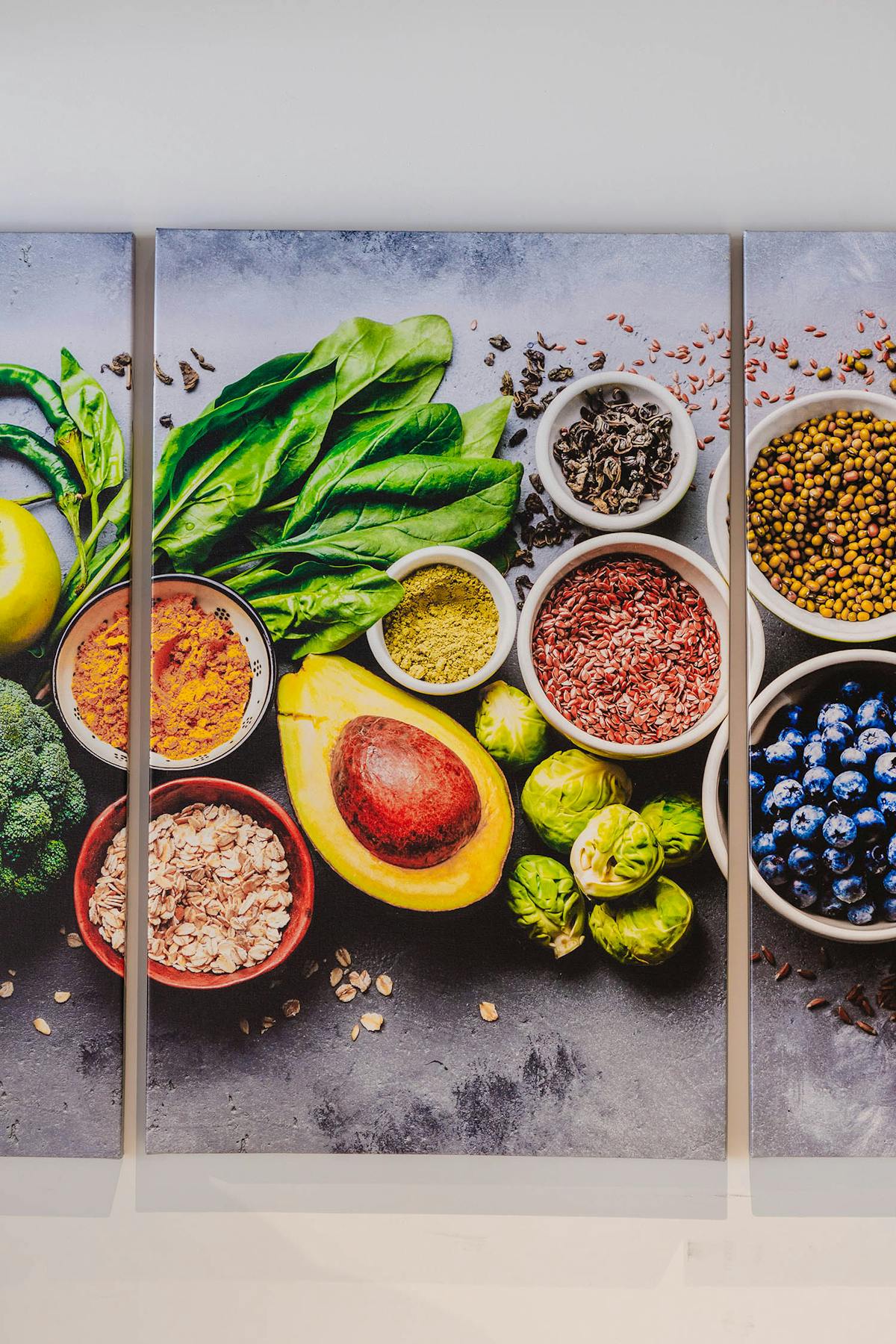
Nutrition needs and routines can change with age. This guide helps Toronto adults over 60 and their families build realistic meals that support strength, energy, bone health, and independence without relying on restrictive rules.
Healthy eating remains important at every age, but the body's needs and daily routines often change after 60. Appetite may decrease, activity levels may shift, medications can affect taste or digestion, and preparing balanced meals may become more difficult. At the same time, good nutrition continues to support strength, mobility, energy, cognition, immune function, bone health, and recovery.
The goal is not to follow a perfect diet or eliminate every enjoyable food. It is to build a realistic pattern of eating that provides enough protein, fibre, fluids, vitamins, minerals, and energy to support everyday life.
This practical guide explains the foundations of healthy eating after 60 and offers simple ways to make nourishing choices easier at home and in the community.
Why Can Nutrition Needs Change With Age?
Aging does not create one universal diet. Every person's needs are different, but several common changes can influence nutrition:
- Lower appetite or reduced interest in food
- Changes in taste, smell, chewing, or swallowing
- Reduced thirst sensation
- Loss of muscle mass and strength
- Lower activity levels
- Medication side effects
- Digestive changes or constipation
- Living alone or reduced motivation to cook
- Mobility, transportation, or grocery-access challenges
- Medical conditions that require individualized nutrition advice
Because appetite may decline while nutrient needs remain important, older adults often benefit from choosing foods that provide more nutritional value in each meal and snack.
Start With a Balanced Plate
Canada's Food Guide recommends building meals around vegetables and fruit, whole-grain foods, and protein foods. Water should be the drink of choice most often.
A simple visual approach is:
- Fill approximately half the plate with vegetables and fruit.
- Use approximately one quarter for protein-rich foods.
- Use approximately one quarter for whole-grain or other fibre-rich carbohydrate foods.
This does not need to be exact at every meal. Soup, sandwiches, stews, smoothies, and mixed dishes can all contribute to a balanced pattern. The overall combination across the day matters more than making every plate look identical.
Prioritize Protein Throughout the Day
Protein supports muscle maintenance, tissue repair, immune function, and recovery. It becomes especially important when an older adult is losing weight, recovering from illness, attending rehabilitation, or becoming less physically active.
Rather than relying on one large serving at dinner, try including a protein source at breakfast, lunch, dinner, and snacks.
Convenient Protein Options
- Eggs
- Greek yogurt or cottage cheese
- Milk or fortified soy beverages
- Fish, poultry, or lean meat
- Beans, lentils, and chickpeas
- Tofu, tempeh, and edamame
- Nut and seed butters
- Cheese in appropriate portions
- Canned tuna, salmon, or sardines
People with kidney disease or other conditions that affect protein needs should follow advice from their physician or registered dietitian.
Choose Fibre-Rich Foods
Fibre supports digestive health, bowel regularity, and a healthy eating pattern. It is found in:
- Vegetables and fruit
- Oats and other whole grains
- Beans, lentils, and chickpeas
- Nuts and seeds
- Whole-grain breads and cereals
Increase fibre gradually and drink enough fluid. Adding a large amount of fibre without sufficient hydration may worsen digestive discomfort.
Do Not Wait Until You Feel Thirsty
Some older adults experience a reduced thirst sensation and may not recognize that they need more fluid. Dehydration can contribute to fatigue, dizziness, confusion, constipation, and reduced physical performance.
Practical hydration strategies include:
- Keep water visible and within easy reach.
- Drink regularly with meals and medications.
- Use a reusable bottle to track intake.
- Include other hydrating options such as milk, tea, soup, or water-rich fruit.
- Add lemon, cucumber, berries, or herbs when plain water feels unappealing.
Anyone following a medically prescribed fluid restriction should follow their healthcare provider's instructions.
Support Bone Health
Calcium, vitamin D, protein, and weight-bearing activity all contribute to bone health. Food sources of calcium can include:
- Milk, yogurt, and cheese
- Fortified plant-based beverages
- Calcium-set tofu
- Canned salmon or sardines with soft edible bones
- Some dark green vegetables
Vitamin D can be more difficult to obtain from food alone. Health Canada recommends a daily vitamin D supplement of 400 IU for adults over 50. Individual needs may differ, so speak with a healthcare professional before adding higher-dose supplements.
Build Meals Around Heart-Healthy Foods
A heart-supportive pattern generally emphasizes vegetables, fruit, whole grains, legumes, fish, nuts, seeds, and unsaturated fats while limiting highly processed foods that are high in sodium, free sugars, and saturated fat.
Practical substitutions might include:
- Oats instead of a highly sweetened breakfast pastry
- Olive oil instead of relying heavily on butter
- Beans or fish in place of some processed meats
- Unsalted nuts instead of salty snack foods
- Fruit and yogurt instead of a large dessert every day
Healthy eating does not require banning comfort foods. Frequency, portion, and the overall eating pattern matter.
What Does “Anti-Inflammatory Eating” Mean?
“Anti-inflammatory” is often used as a marketing term, but the most evidence-aligned approach is not a single miracle food. It is an overall dietary pattern rich in minimally processed plant foods, healthy fats, and varied protein sources.
Foods commonly included in this pattern are:
- Leafy greens and colourful vegetables
- Berries and other fruit
- Whole grains
- Beans and lentils
- Fish, especially oily fish
- Nuts, seeds, and olive oil
- Tomatoes, cucumber, broccoli, avocado, and garlic
No smoothie, spice, or supplement can replace medical care or an overall balanced diet. The value comes from the pattern built over time.
What If Appetite Is Low?
A small appetite can make it difficult to meet nutrition needs. Rather than forcing three large meals, try smaller meals and snacks more frequently.
Strategies That May Help
- Eat at the time of day when appetite is strongest.
- Add yogurt, eggs, cheese, beans, or nut butter to meals.
- Use smoothies made with fruit, milk or fortified soy beverage, and yogurt.
- Keep easy-to-eat snacks visible and accessible.
- Make meals social whenever possible.
- Choose softer foods when chewing is tiring, after obtaining dental or medical guidance where needed.
Unintentional weight loss should not be dismissed as a normal part of aging. It may indicate inadequate intake, medication effects, depression, dental concerns, swallowing difficulty, illness, or another issue that deserves assessment.
Simple Meal Ideas for Older Adults
Breakfast
- Oatmeal with berries, milk, and walnuts
- Eggs with whole-grain toast and sliced tomato
- Greek yogurt with fruit and chia seeds
- A smoothie with milk or fortified soy beverage, yogurt, fruit, oats, and nut butter
Lunch
- Lentil soup with whole-grain bread
- Tuna or salmon salad sandwich with vegetables
- Chicken and vegetable wrap
- Bean, grain, and roasted vegetable bowl
Dinner
- Baked salmon, sweet potato, and broccoli
- Chicken, brown rice, and mixed vegetables
- Tofu stir-fry with vegetables and whole grains
- Bean chilli with avocado and a side salad
Snacks
- Fruit with peanut or almond butter
- Cheese and whole-grain crackers
- Greek yogurt
- Hummus with vegetables or pita
- A small handful of nuts and seeds
Make Grocery Shopping Easier
A practical shopping list can reduce decision fatigue and food waste. Consider keeping a few dependable staples from each category:
| Category | Easy Staples |
|---|---|
| Protein | Eggs, yogurt, canned fish, beans, lentils, tofu, nut butter, frozen poultry or fish |
| Vegetables and Fruit | Frozen vegetables, berries, apples, bananas, bagged greens, pre-cut vegetables |
| Whole Grains | Oats, whole-grain bread, brown rice, quinoa, whole-grain crackers |
| Healthy Fats | Olive oil, avocado, nuts, seeds, natural nut butter |
| Convenience Foods | Lower-sodium soup, frozen balanced meals, pre-cooked grains, rotisserie chicken, washed produce |
Convenience is not a failure. Frozen vegetables, canned beans, and prepared ingredients can make healthy eating more achievable, especially when energy or mobility is limited.
Remember the Social Side of Food
Eating is not only biological. Meals create routine, comfort, memory, culture, and social connection. People who live alone may skip meals or rely on less varied foods because cooking for one feels unrewarding.
Helpful approaches can include:
- Eating with family, friends, or community groups
- Preparing and freezing meals in shared batches
- Using meal-delivery or grocery-delivery services
- Attending programs that include communal meals
- Trying cafés that make balanced choices convenient
Healthy Eating Made Easier at ACHIEVA HEALTH Café
Located at the ACHIEVA HEALTH Leaside location, ACHIEVA HEALTH Café was created as an extension of ACHIEVA HEALTH's whole-person approach to wellness.
The café offers thoughtfully selected food and beverage options designed to support energy, recovery, healthy aging, and everyday enjoyment. Visitors may find anti-inflammatory drinks and smoothies, organic fair-trade coffee and tea, and health-supportive snacks and light meals.
Whether you are visiting for physiotherapy, participating in the Adult Day Program, accompanying a loved one, or simply stopping by from the Leaside community, the goal is to make nourishing choices feel approachable rather than restrictive.
Learn More About ACHIEVA HEALTH Café
When Should You Ask for Professional Nutrition Support?
Speak with a physician or registered dietitian when an older adult experiences:
- Unintentional weight loss
- Persistent poor appetite
- Difficulty chewing or swallowing
- Frequent dehydration
- New digestive symptoms
- Complex diabetes, kidney, heart, or gastrointestinal needs
- Possible food and medication interactions
- Concerns about malnutrition
Healthy Aging Is Built Through Everyday Choices
Healthy eating after 60 does not need to be complicated. Start with regular meals, include protein throughout the day, choose fibre-rich foods, drink fluids consistently, and use convenient options when they make good nutrition easier.
Small, sustainable habits are more useful than short-term restrictions. Food should support strength, independence, recovery, and enjoyment of daily life.
Sources and Further Reading
This article is for general educational purposes only and does not replace individualized medical or nutrition advice. People with medical conditions, swallowing concerns, food allergies, dietary restrictions, or prescribed fluid limits should consult an appropriate healthcare professional.
Café ingredient direction
Ingredients Emphasized at ACHIEVA HEALTH Café
The Café’s food direction emphasizes colourful plants, nourishing fats, and practical whole-food combinations associated with an anti-inflammatory eating pattern. Depending on the current menu and season, featured ingredients may include:
- Blueberries and other fruit
- Avocado
- Tomatoes
- Leafy greens
- Cucumber and broccoli
- Olive oil and garlic
- Nuts and seeds
- Fatty fish such as salmon
Specific ingredients and menu items are subject to availability. Food choices should be adapted for allergies, swallowing needs, medical conditions, and individualized nutrition advice.
Putting this information into practice
Begin with one change that solves a real barrier: add protein to breakfast, keep water visible, stock a dependable frozen meal, or arrange a shared lunch. Toronto grocery stores, delivery services, community programs, and health-focused cafés can all make consistency easier. Seek a registered dietitian or physician when weight loss, swallowing difficulty, medical restrictions, or persistent appetite changes complicate eating.
Common questions
Frequently asked questions
Do older adults need fewer calories?
Some older adults need less energy because of changes in activity and body composition, but nutrient needs remain important. This is why nutrient-dense foods are valuable. Individual needs vary considerably.
Should everyone over 60 take supplements?
No. Supplement needs depend on age, diet, medications, health conditions, laboratory results, and professional advice. Health Canada recommends a daily 400 IU vitamin D supplement for adults over 50, but other supplements should not be assumed to be necessary.
Are frozen vegetables healthy?
Yes. Plain frozen vegetables can be nutritious, affordable, and convenient. They are particularly useful when fresh produce is difficult to purchase or prepare regularly.
Is a smoothie a complete meal?
It can be, depending on the ingredients. A more balanced smoothie may include fruit or vegetables, a protein source such as yogurt or milk, and a source of healthy fat or fibre such as nut butter, oats, chia, or flax.
What is the best diet for healthy aging?
There is no single perfect diet. A strong foundation includes a variety of vegetables and fruit, whole grains, protein foods, healthy fats, adequate fluids, and limited reliance on highly processed foods.
Finding the right support
General information cannot replace an individual assessment. ACHIEVA HEALTH can help you explore services and programs that may fit your goals, needs, and location.